Choosing the Right Forklift for Your Business: A Complete Guide

Your business may be in the heavy lifting or large load moving or warehouse management categories, so forklifts are useful in your daily operations. However, choosing the right forklift can be confusing due to its large variety. Is it going to be a diesel or electric forklift? Whether you need a 10-ton forklift, or a smaller one—it all comes down to choosing it right. Let us simplify it so that you can choose the best one for your business.
Types of Forklifts
Forklifts come in numerous shapes and sizes, with each one developed for a particular application; here are some of the common types found:
1. Counterbalance Forklifts
Typically found in three variants- either electric, diesel or LPG, they are the most popular among the different types of forklifts because of their configuration with weight at the back for counterbalancing a heavy load moving into the front.
- Best for: Warehousing, retail and manufactured types.
- Pros: Easy to enter and operate; used indoors or outdoors; good lift capacity.
- Cons: It requires a bigger area to maneuver.
2. Reach Trucks
Some high-shelved warehouses use reach trucks to reach tall racks easily with their excellent elevated arms.
- Best for: Narrow aisles and high storage warehouses.
- Pros: Outstanding height reach; very good fit in tight spots.
- Cons: No outdoor usage.
3. Rough Terrain Forklift
The rough-terrain forklift is powered by an engine fitted in a frame with large tires designed for brutish performance in horde or extremely rocky grounds.
- It is best used completely on Construction sites, lumber yards, and outdoor storage facilities.
- Pros: Excellent rough handling with high lifting capacity.
- Cons: Big and, therefore, cannot go into tight areas.
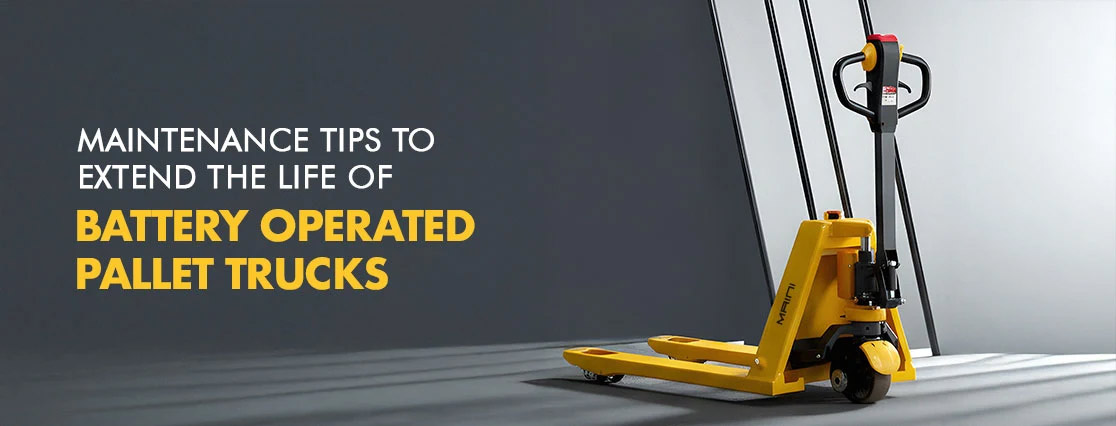
4. Pallet Handlers
Also known as pallet trucks, small pallet trucks are meant to transfer pallets within restricted distances from point A and point B.
- Best used completely in warehouses, supermarkets, and distribution centers.
- Pros: Inexpensive, easy to operate, and best in small loads.
- Cons: Bind on heights and weight capacity.
5. Telescopic Forklifts (Telehandlers)
These resemble forklifts but with an extending boom so that they can reach farther out from the machines compared to a standard forklift.
- Best for agriculture, construction, and heavy-duty industries.
- Pros: Can lift to very extreme heights; somewhat versatile.
- Cons: Very expensive, and need to be operated by skilled professionals.
Choosing Between a Diesel Forklift and an Electric Forklift
Once you get to know about the different types of forklifts, the question is: whether to choose diesel or electric?
Diesel Forklifts
Known for their power and durability, diesel forklifts are basically designed for outdoor setting activities where heavy lifting is involved.
- Best for outdoor operations, heavy loads, and construction sites.
- Pros: Greater power, greater lifting capacity, longer life.
- Cons: Noisy, fuming, high fuel costs.
Electric Forklifts
Electric Forklifts run on batteries and are therefore considered eco-friendly and silent.
- Most suitable for indoor warehouses, retail businesses, and food and pharmaceutical industries.
- Pros: No maintenance, quiet operation, zero emissions.
- Cons: Higher purchase price upfront; downtime for charging.
Is a 10 Ton Forklift Suitable for You?
This consideration might kick in when your business deals with heavy materials, such as a shipping container or heavy industrial equipment. These high-lift machines will need skilled operators and a decent size of working space.
- Best for Ports, steel industries, and heavy manufacturing.
- Pros: Very heavy-load; tough for tough jobs.
- Cons: Very high operating costs; needs more free space.
Buy or Rent a Forklift?
Not all companies need to purchase a forklift machine. Sometimes, renting one is just the best thing to do. Renting would make more sense in the following situations:
- Short-Term Projects: For somebody who needs a forklift only for weeks or a couple of months, rental is the economically sensible decision.
- Test Models Before Purchase: If you are having difficulty deciding which lift truck suits your purpose, renting will allow you to test and compare several models.
- Avoid Maintenance Costs: Rental contracts generally cover maintenance and servicing. On the other hand, a fork that is needed for daily operation may be rented for the long run.
However, if your operations require daily usage of forklifts, buying one may be more cost-effective in the long run.
Important Aspects of Forklift Buying or Renting
Consider these factors before your final decision:
- Weight Capacity: Ensure that the forklift can carry your normal load weight.
- Lifting Height: Look up the maximum height the forklift has to lift.
- Indoor or Outdoor Use: Electric models work best indoors, while diesel forklifts can work great outdoors.
- Maneuverability: How much space is there for turning and moving?
- Fuel Type: Factor in the operational cost over the long run of diesel, electric, or LPG.
- Rental vs. Purchase Expenses: Compare the costs for rent versus buy depending on your needs.
Wrap Up
When it comes to choosing the best forklift for your operations, all you need are good insights into your own requirements, whether you need the forklift for rent or for permanent installation in your fleet of machines.
From lightweight pallet jacks to heavy-duty 10-ton forklifts, there is something to suit every business. After that, if you think about your lifting requirements, workplace, and budget, you would have made a worthy investment in your operations.
Whether a simple lift truck for warehouse shelves or a rough terrain forklift for outdoor projects, a good choice will increase efficiency, safety, and productivity. So, which is the best forklift for your business? Now that you have all the details, hurry up and make that call!