The Importance of Material Handling Equipment

Effective material handling equipment is essential for minimizing manual labor, reducing workplace injuries, and optimizing operations. Businesses that invest in high-quality material handling equipment can streamline processes and enhance efficiency, leading to cost savings and improved employee satisfaction.
Without the proper material handling equipment, businesses may struggle with inefficiencies, delays, and increased risks of injury. The right tools not only improve safety but also contribute to a more organized and productive work environment.
Types of Material Handling Equipment
1. Hand Pallet Trucks
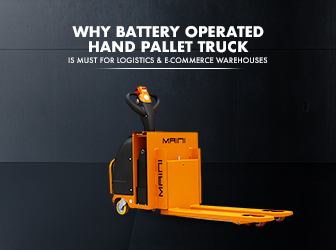
Hand pallet trucks are one of the most widely used tools in warehouses and retail spaces. These simple yet effective tools help workers move heavy pallets effortlessly, reducing strain and increasing productivity. Hand pallet trucks are available in different capacities and sizes, making them suitable for various applications.
Some of the key benefits of hand pallet trucks include:
- Cost-effectiveness compared to powered alternatives.
- Ease of use with minimal training required.
- Low maintenance requirements.
2. Forklifts
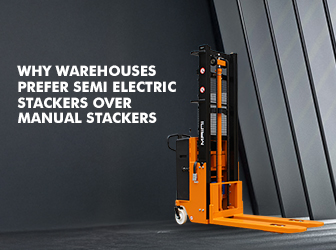
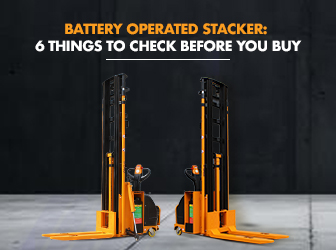
Forklifts are powered material handling equipment used for lifting and transporting heavy loads. They come in different types, including electric, gas-powered, and diesel models, each designed to cater to different operational needs.
Forklifts are ideal for:
- Moving large pallets quickly over long distances.
- Stacking goods at higher storage levels.
- Operating in large warehouse environments.
3. Conveyor Systems
Conveyor systems automate the movement of goods within a facility, minimizing manual effort and speeding up production lines. These systems can be customized based on the specific needs of a business, enhancing workflow efficiency.
Common types of conveyor systems include:
- Belt conveyors for continuous product movement.
- Roller conveyors for transporting heavy items.
- Chain conveyors for industrial applications.
4. Automated Guided Vehicles (AGVs)
AGVs are self-operating robots designed to transport goods without human intervention. They are ideal for businesses looking to implement automation in their material-handling equipment strategy.
Advantages of AGVs include:
- Increased efficiency and reduced labor costs.
- Improved safety with automated navigation.
- Customizable solutions for different industries.
5. Storage and Retrieval Systems
These systems help manage inventory efficiently and include automated storage and retrieval solutions (AS/RS). They ensure that materials are stored securely and can be retrieved quickly when needed.
Choosing the Right Material Handling Equipment
Selecting the best material handling equipment for your business depends on several factors, including the type of goods being handled, the size of the facility, and the budget. Consider the following when making a decision:
- Load Capacity – Ensure the equipment can handle the weight of your materials.
- Work Environment – Some equipment is better suited for indoor or outdoor use.
- Space Constraints – Compact spaces may require more manoeuvrable solutions like hand pallet trucks.
- Automation Needs – Businesses looking for efficiency can opt for AGVs or conveyor systems.
When choosing material handling equipment, it’s also important to think about scalability. As businesses grow, their needs may change, requiring more advanced or larger-scale solutions.
Maintenance and Safety of Material Handling Equipment
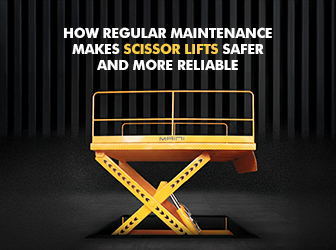
Proper maintenance of material handling equipment is essential to ensure longevity and safe operation. Regular inspections, timely repairs, and employee training can help prevent accidents and equipment failures. Safety measures such as load limits, clear pathways, and proper handling techniques should always be enforced.
Key safety tips include:
- Conducting routine equipment checks.
- Ensuring workers are properly trained.
- Keeping pathways clear to prevent obstructions.
- Using personal protective equipment (PPE) when necessary.
Investing in preventive maintenance not only enhances safety but also extends the lifespan of material handling equipment, reducing long-term costs.
Future Trends in Material Handling Equipment
As technology advances, material handling equipment is becoming more automated and efficient. Some of the latest trends in the industry include:
- IoT and Smart Equipment – Sensors and tracking systems provide real-time data on equipment usage and performance.
- Robotics and AI – Automated solutions improve efficiency and reduce the need for manual labor.
- Eco-Friendly Equipment – Battery-powered and energy-efficient machines help businesses reduce their carbon footprint.
These innovations are shaping the future of material handling equipment, making operations smoother, safer, and more cost-effective.
Conclusion
Investing in the right material handling equipment can transform business operations, making them more efficient and cost-effective. Whether you choose hand pallet trucks, forklifts, or automated systems, the key is to select equipment that aligns with your specific needs. By prioritizing maintenance and safety, businesses can maximize the benefits of their material handling equipment and ensure smooth, productive workflows.
With the continued advancement of technology, businesses that adopt modern material handling equipment solutions will have a competitive edge, improving both operational efficiency and workplace safety. Choosing the right tools today can lead to significant long-term benefits for any organization.

1768978906.jpg)