Types of Material Handling Equipment Used in Warehouses
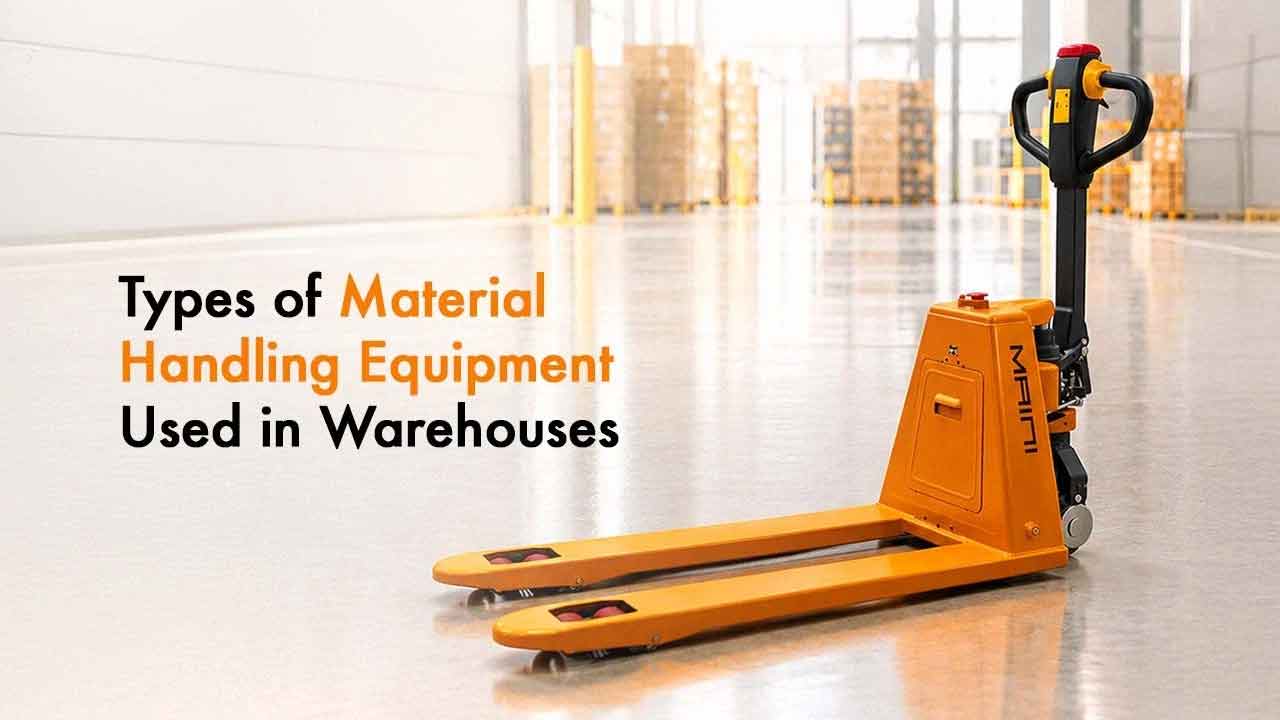
Ever walked through a busy warehouse and wondered how pallets, crates and heavy loads move around without anyone lifting a single box? The answer sits in a handful of machines built for exactly that job, and choosing the right material handling equipment makes the difference between a warehouse that runs smoothly and one that constantly slows down.
Different tasks call for different types of equipment. A dock loading job needs something different from moving pallets between racks, and a facility handling heavier loads needs sturdier equipment than a small storeroom does. Knowing what each type is built for helps you match the right machine to the right job.
What Types of Material Handling Equipment Do Warehouses Actually Use?
Most warehouses rely on a mix of manual, semi-electric and fully electric equipment, chosen based on load weight, frequency of use and the space available to manoeuvre.
Hand pallet trucks such as our PV25 SS/G (rated at 2,500 kg) and PV20 EWS models are used for horizontal pallet movement. They slide under a pallet, raise it just off the floor and let one person pull it along, so they suit light, occasional jobs and need no power source. If you also need to lift and stack pallets in tighter spaces, a manual stacker such as our MS10, rated at 1,000 kg and available with lift heights of 1,600 mm and 2,500 mm, does the job without the added complexity.
How Do You Choose Between Manual and Powered Material Handling Vehicles?
The choice between manual and powered material handling vehicles depends on how heavy the loads are, how often the equipment is used, and how much physical effort the team can manage over a full shift. Aisle space, charging, maintenance, and running costs matter too, and neither type is the automatic choice for every warehouse.
Many warehouses use a mix, with manual units for light, occasional jobs and powered ones where the work is heavy or constant. Our tow trucks, for instance, come with an AC (alternating current) electric motor and electric power steering, so the operator turns the wheel with less effort. This suits repeated, higher-load towing and reduces the physical effort for the operator.
Getting the Right Mix of Material Handling Equipment from Maini Materials Movement
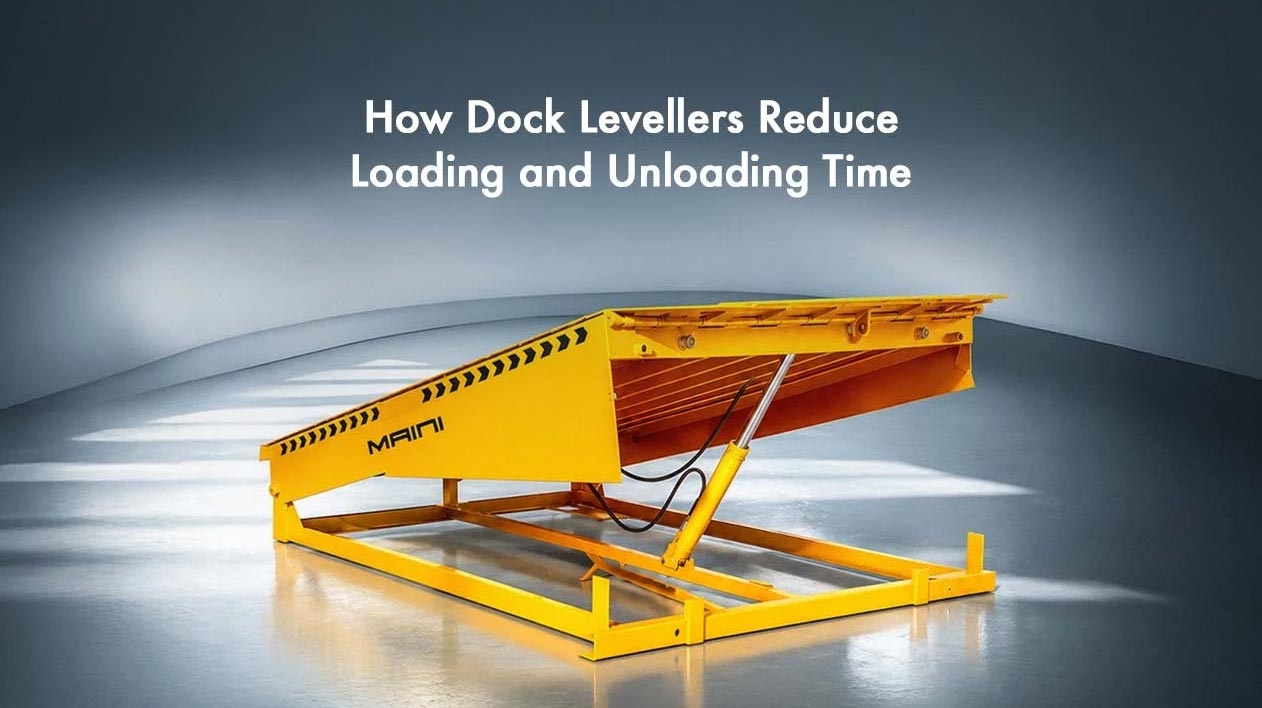
At Maini Materials Movement Pvt. Ltd., we manufacture a full range of material handling equipment at our Bengaluru facility, from hand pallet trucks and manual stackers through to electric forklifts, tow trucks and reach trucks, alongside dock levellers and freight lifts for facilities that need them. Every unit is built to handle real warehouse conditions, not just tested specifications on paper.
If you are working out the right combination of equipment, including a material movement trolley, for your warehouse, our team can help you match capacity, lift height and space requirements to what you actually need on the floor.
You can reach us at sales@maini.com or on 9591046004 / 47004.
FAQs
What Is the Difference Between a Reach Truck and a Forklift?
Both are types of material handling equipment, but they suit different aisles. A reach truck extends its forks to reach pallets on tall racking, which lets it work in narrow aisles. Our reach truck is rated at 2,000 kg. An electric forklift lifts and carries heavier loads, with ratings from 1,500 to 3,500 kg, but it needs more room to manoeuvre.
How Do I Know Which Material Handling Vehicles Suit My Warehouse?
This depends mostly on your average load weight, frequency of use and the space you have for manoeuvring. Powered equipment is generally preferred for heavier, repetitive loads, and narrow-aisle facilities tend to be better suited to compact stackers than to large forklifts. Getting these details right before you buy prevents you from ending up with equipment that either underperforms or is oversized for the job.
Why Choose Electric Over Manual Material Handling Equipment?
Electric equipment reduces the physical effort needed from operators, which matters most when the same task repeats many times across a shift. It also tends to move loads more consistently, since it is not affected by operator fatigue later in the day. That said, manual equipment still makes sense for lighter, occasional jobs where the extra cost of a powered unit is not necessary.
What Is the Difference Between a Hand Pallet Truck and a Stacker?
A hand pallet truck moves pallets across flat ground but does not lift them to height, while a stacker is built specifically to lift and stack loads vertically. Hand pallet trucks generally suit horizontal movement between areas, while stackers suit warehouses that use vertical storage space. Many facilities use both, depending on the specific task at hand.
What Is the Best Material Movement Trolley Option for Small Warehouses?
For smaller warehouses with lighter, less frequent loads, a hand pallet truck or a basic manual stacker usually covers most day-to-day needs without added cost or complexity. As load frequency or weight increases, moving to a semi-electric option can reduce strain on staff. The right choice ultimately depends on your specific floor space and how often the equipment will be in use.
Explore our latest Blogs
Why Battery-Operated Stackers Are a Smart Choice for Material Handling?
Why Is the Hand Pallet Truck an Excellent Solution for Material Handling?
Boosting Efficiency and Productivity with Electric Tow Trucks in Material Handling